Addressing inadequate access to education is crucial for building the knowledge, skills, and capacity needed to tackle the complex challenges posed by climate change.
Without education, people may not fully comprehend the importance of environmental conservation, sustainable practices, and the need to mitigate climate change. This lack of awareness can contribute to behaviour that exacerbates environmental degradation and greenhouse gas emissions.
In regions with inadequate education facilities, there may be limited capacity for the development of sustainable initiatives such as renewable energy adoption, waste management, and conservation efforts.
People, without access to education, may lack the knowledge and resources to adapt to impacts such as extreme weather events, sea-level rise, and food insecurity, effectively, leading to increased vulnerability and displacement.
Education is essential for fostering scientific research, development of clean technologies, and sustainable agriculture practices. This can impede progress towards finding solutions to mitigate and adapt to climate change.
Lower fertility rates and more sustainable consumption patterns are associated with levels of education. High population growth rates and unsustainable consumption practices may contribute to increased greenhouse gas emissions and environmental degradation.
Small businesses can allocate a portion of their resources – funds, products, or services – to support programs in regions with inadequate access to education.
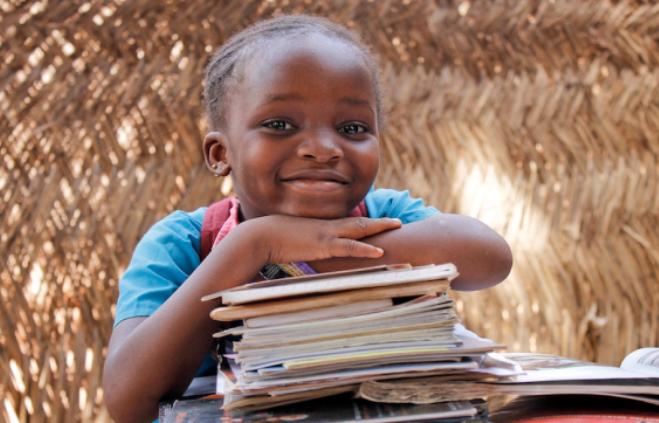
This can include partnering with local NGOs or educational institutions to provide scholarships, school supplies, infrastructure development, or teacher training programs.
By collaborating with established NGOs, businesses can leverage their networks, expertise, and resources to support impactful education projects and reach communities in need.
Making it a priority to source products and materials from fair trade-certified suppliers, that adhere to ethical labour practices and invest in education and community development programs, enables your business to contribute to improving access to education for workers and their families in developing countries.

To raise awareness about the importance of education and advocate for policies that promote educational equity and access globally, small businesses can utilize social media platforms, organize community events or participate in advocacy campaigns to highlight the impact of education on poverty reduction, economic development, and social justice.
 Positively-Sustainable
Leave a comment