While industrialisation has undeniably fuelled substantial economic growth, its benefits have not been shared equitably.

The persistent disparities in wealth and access to resources pose undeniable threats to our social fabric. As the privileged few accrue the lion’s share of economic gains, marginalized communities bear the brunt of environmental degradation, exacerbating issues involved in the habitability of certain regions.
The unequal distribution of the benefits of industrialisation can lead to marginalised communities finding themselves disproportionately burdened by the negative consequences of rapid economic change. Factors. such as inadequate access to education and unequal job opportunities, which limit social mobility, can exacerbate pre-existing disparities – sowing the seeds of discontent and social upheaval as communities grapple with the consequences of global industrialisation that fails to account for the well-being of all.

The concentration of economic activities in certain regions, results in the unequal distribution of job opportunities that leads to inequality.
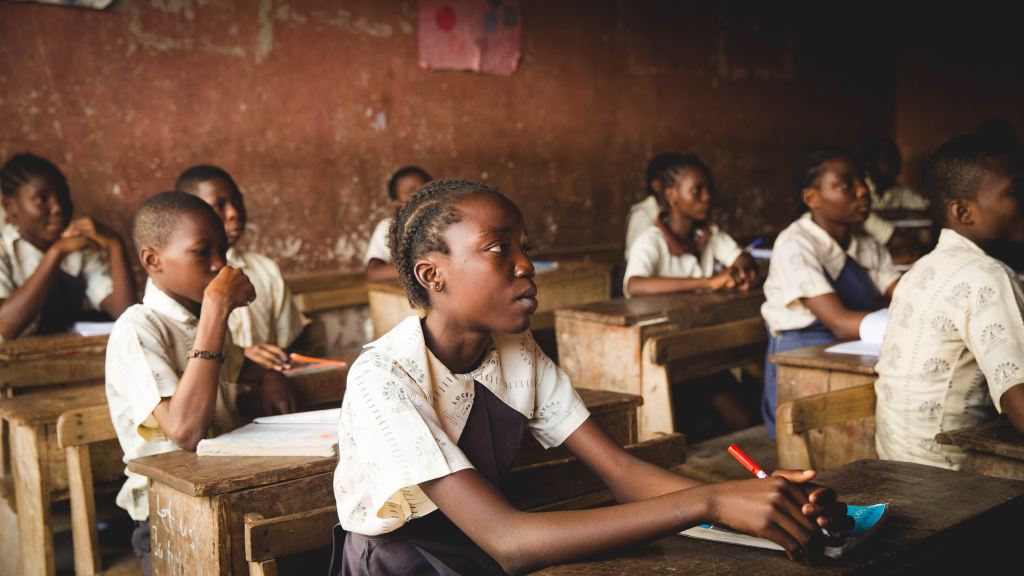
Addressing inadequate access to education is crucial for building the knowledge, skills, and capacity needed to tackle the complex challenges posed by climate change.

Global industrialisation poses a significant threat to the habitability of certain regions of the world.
 Positively-Sustainable
Leave a comment