The first synthetic plastic – Bakelite – was produced in 1907, marking the beginning of the global plastics industry.
The plastics industry grew slowly for half a century. In 1950, the world produced just two million tonnes. Since then, annual production of plastics has increased nearly 230-fold to 460 million tonnes in 2019.
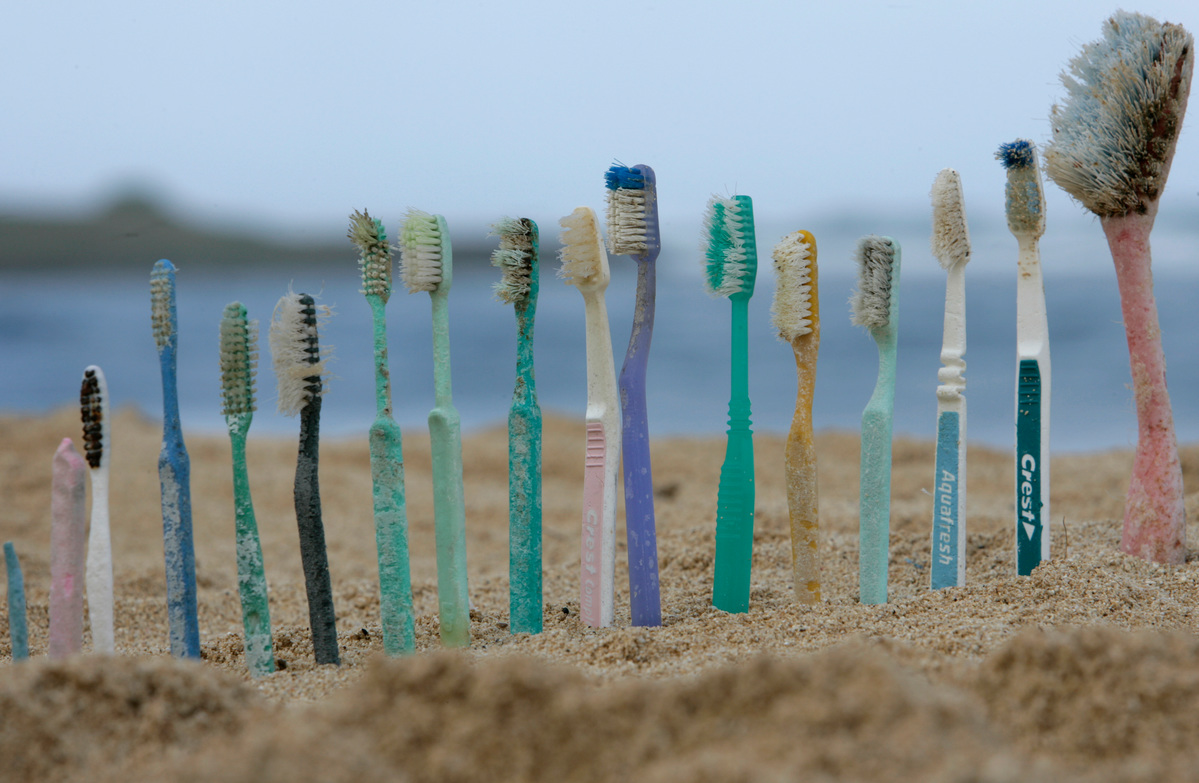
Plastic has added much value to our lives: it’s a cheap, versatile, and sterile material used in various applications, including construction, home appliances, medical instruments, and food packaging.
However, when plastic waste is mismanaged – the UNEP reports that only 9% of all plastic is recycled and just 12% is incinerated – it becomes an environmental pollutant.
There is something you can do about it. Reducing the amount of plastic you use might seem difficult, but it’s simpler than you think. You can make a difference in many ways, with simple actions like bringing your own bag to the grocery store. It’s easy to refuse that pretty plastic carry bag you are offered – the environment only needs one layer of packaging.

When you are purchasing products, check whether the container they are in is recyclable or recycled. If not, tell a manager that you will avoid purchasing until the packaging is changed. Do you really need the plastic cutlery or straws that you are offered?
 Positively-Sustainable
Leave a comment