I’ve had a compost bin for my garden for a long time but, I just learned that composting helps lessen greenhouse gas emissions from landfills and encourages carbon dioxide absorption by vegetation. Obviously, the end product, when applied to our gardens and plantations, aids resilience against the impacts of climate change.
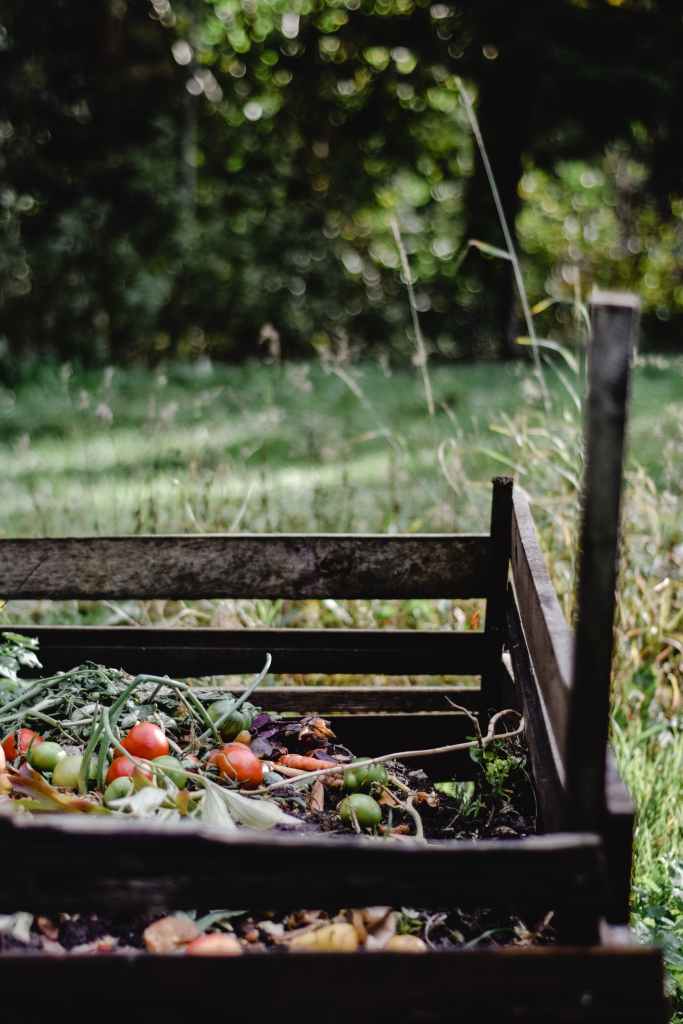
When food finds its way to landfills and rots in this environment, it produces methane, a greenhouse gas more potent than carbon dioxide. Methane-producing microbes remain inactive in the presence of oxygen so, the aerobic decomposition of food scraps in a compost pile produces none of this dangerous gas.
Moreover, as noted, composting contributes to lowering overall greenhouse gas levels by enhancing carbon sequestration in the soil and plants.
If a compost bin in the back corner of the garden seems inconvenient, many councils offer garden and food waste collection bins that you can utilise.
Or … sprinkle your coffee grounds on the lawn.
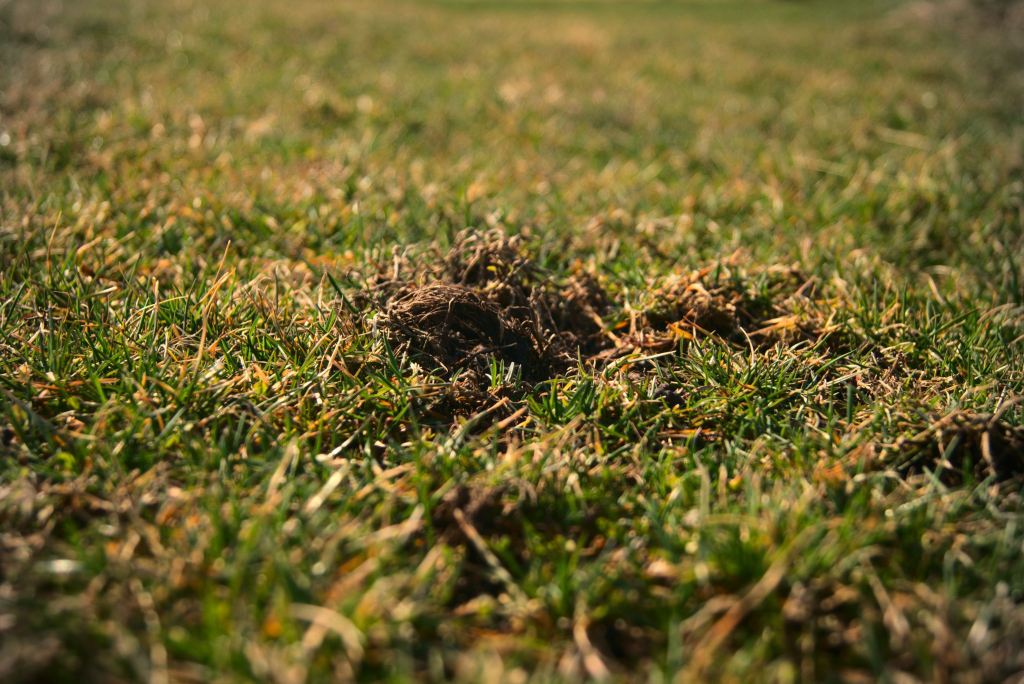
Or … dig a small hole somewhere in the garden each week and bury the scraps collection from the kitchen – both of these actions aid the soil biota by encouraging worm and microbe activity.
How can you dispose of your food waste without sending it to landfill? You can reduce greenhouse gas emissions by making sure your biodegradable waste doesn’t get locked up at the tip.
 Positively-Sustainable
Leave a comment