
The burning of fossil fuels, a cornerstone of industrialization, results in the emission of greenhouse gases, especially carbon dioxide, which lies at the heart of ‘climate change’.
The associated rising global temperatures, altered weather patterns, and increasing frequency of extreme weather events cause innumerable plant and animal species to face extinction, disrupting the intricate web of life on our planet.
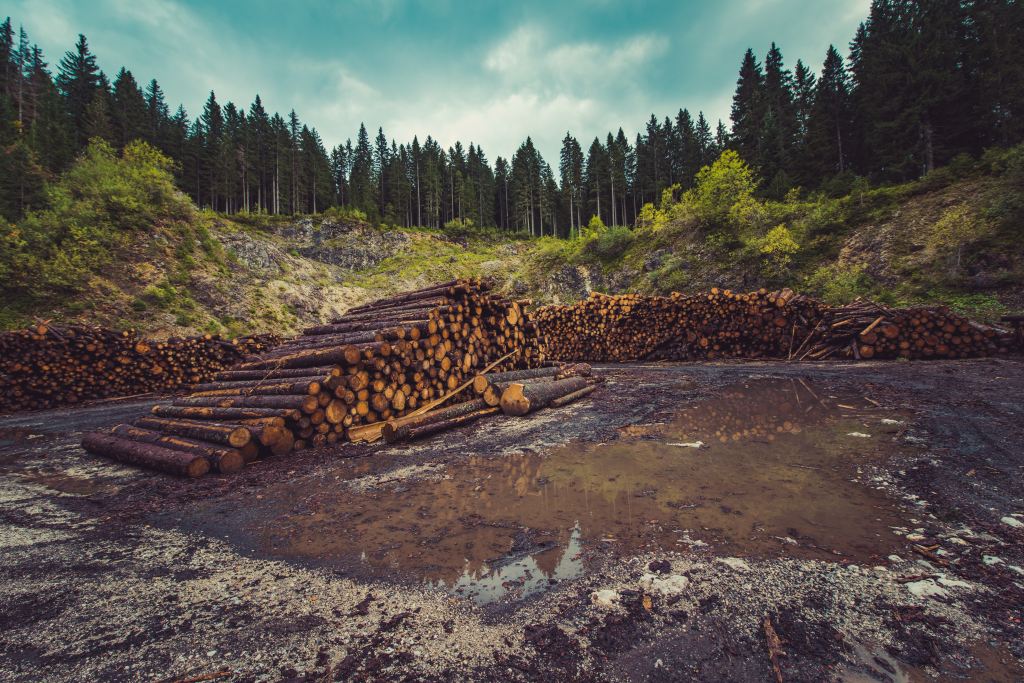
Furthermore, industrial practices have contributed to deforestation, as forests are cleared to make way for agriculture and urban development. This not only degrades the habitats of countless plant and animal species but also removes vital carbon sinks that help mitigate the impacts of global warming.
Pollution, in its various forms, is yet another aspect of industrialization that cannot be overlooked. The release of toxic substances into the air, water, and soil is pervasive, causing harm to human health, ecosystems, and the planet at large. There is a pressing need for a more sustainable approach to industrialization to ensure the long-term welfare of both the environment and human society, to preserve the rich tapestry of biodiversity that makes our planet unique.

Scientists estimate that about twice as many trees existed on Earth before human civilization.

Composting also helps lessen greenhouse gas emissions from landfills and encourages carbon dioxide absorption by vegetation.

The first synthetic plastic – Bakelite – was produced in 1907, marking the beginning of the global plastics industry
 Positively-Sustainable
Leave a comment